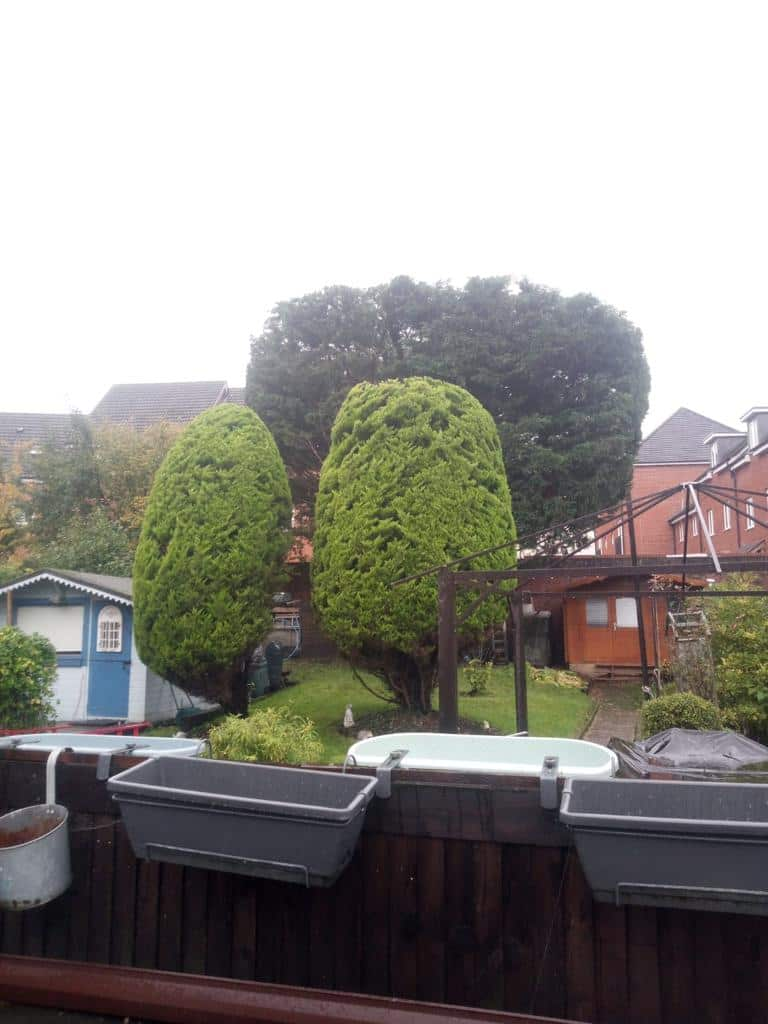
Felling removes the visible height and canopy of a tree, but it usually leaves the stump and main roots behind. A stump may initially seem harmless, particularly when positioned near a border or in a quiet part of the garden. Over time, however, it can obstruct access, interfere with maintenance and limit how the surrounding space is used.
For property owners in Sharpness, Gloucestershire, professional stump grinding can complete the tree removal process and leave the affected area easier to manage.
Problems That Can Develop When a Tree Stump Is Left Behind
It Can Become a Trip Hazard
A low stump can be difficult to notice, especially when grass, weeds or other vegetation grow around it. Exposed surface roots may create additional changes in level across nearby ground.
This can make the area awkward for children, visitors and anyone carrying out garden maintenance. The risk may increase after the stump darkens with age and begins blending into the surrounding soil.
Grinding it below ground level removes the main obstruction and helps create a more practical surface.
It Can Obstruct Garden Access
Stumps are often left close to paths, driveways, gates or the routes used to move equipment around a property. Even when they do not completely block access, they can narrow the available space and make movement inconvenient.
Lawnmowers, wheelbarrows and garden machinery may need to be repeatedly manoeuvred around the stump. Removing it can restore a clearer route and make better use of the available garden area.
It Makes Mowing and Maintenance More Difficult
Cutting grass around a stump usually requires extra work. Mower blades can be damaged by concealed wood or exposed roots, while the narrow area around the base may need separate trimming.
A decaying stump can also shed pieces of wood into the surrounding lawn. These fragments may need clearing before mowing or other garden work can be completed.
Stump grinding reduces the solid woody mass, allowing the area to be levelled and maintained more easily.
New Shoots May Continue to Grow
Some tree species can produce new growth from the stump or remaining root system after the main tree has been felled. These shoots may appear around the cut surface or emerge from the surrounding ground.
Repeatedly cutting them back can become an ongoing maintenance task. The exact response depends on the tree species, its condition and the amount of viable root material left behind.
Grinding removes the stump and growth points around its base, helping to reduce the likelihood of persistent regrowth. A professional assessment can explain what to expect from the particular tree involved.
Decaying Wood Can Attract Unwanted Activity
A stump begins to decay once it is no longer supporting a living tree. Damp, softening wood can provide a suitable environment for fungi and wood-boring insects involved in the natural decomposition process.
This activity is not always harmful to the wider garden, but it can make the stump increasingly soft, uneven and untidy. Fungal growth around the base may also indicate that substantial decay is taking place below the visible surface.
Removing the stump prevents a large piece of decaying timber from remaining as a permanent garden feature.
It Can Restrict Landscaping Plans
An old stump can complicate plans for a new lawn, path, patio, planting bed or seating area. Building around it may create an awkward layout, while covering it without proper removal can lead to movement as the wood decays.
The stump and larger roots gradually lose volume, potentially leaving a depression in the surrounding ground. Removing the stump before landscaping provides a clearer starting point and allows the area to be prepared more consistently.
It Can Take Up Valuable Garden Space
In a smaller garden, even one stump can occupy an area that could otherwise be used for planting, access or recreation. Its surrounding roots may extend beyond the visible base, limiting how easily the ground can be worked.
Stump grinding converts the main stump into small wood fragments and creates space that can be levelled or incorporated into a new garden layout. The intended future use of the area should be discussed before work begins, as this can influence the required grinding depth.
It Can Reduce the Appearance of a Finished Garden
A remaining stump may make tree removal appear incomplete. As it weathers, splits and develops irregular growth, it can become more noticeable rather than less.
Grinding helps create a cleaner finish and allows the surrounding garden to become the focus. It is particularly useful where the removed tree stood in a lawn, front garden or another prominent position.
Why Stump Grinding Is Often the Practical Solution
Digging out a stump and its entire root system can involve extensive disturbance to the surrounding ground. Stump grinding uses specialist machinery to reduce the stump below the surface without excavating every root.
The process can be adapted according to:
- The stump’s diameter and species
- Its age and condition
- Access for machinery
- Nearby paths, structures and planting
- The intended use of the ground afterwards
- The depth to which grinding is required
The remaining underground roots generally break down naturally over time. The grindings can then be managed according to how the area will be finished.
When Should Stump Removal Be Considered?
Removal is particularly worthwhile when the stump obstructs access, creates a noticeable trip hazard, produces repeated shoots or interferes with planned landscaping. It should also be considered when deterioration is making the area increasingly uneven or difficult to maintain.
A professional inspection can establish whether stump grinding is suitable and identify any access limitations before work begins.
Conclusion
Leaving a tree stump can lead to access problems, difficult maintenance, unwanted regrowth and restrictions on future garden improvements. As the timber decays, the stump may also become less stable and leave the surrounding ground uneven.
EM Tree Surgery Sharpness provides professional stump grinding in Sharpness, Gloucestershire. If an old stump is preventing you from making full use of your garden, contact our team to arrange an assessment and discuss the most suitable removal approach.